
 It’s hard to believe that it is over seven years ago since I launched Sharing Culture, an educational initiative to facilitate the healing of intergenerational trauma. It is also over seven years since Michael Liu and I went out with Professor Marion Kickett to her home country in York to film her describing her life, country, culture, spirituality, family, education and resilience. Marion is a Noongar leader from the Balardong language group, who is Director of the Centre for Aboriginal Studies at Curtin University in Perth.
‘Ruby’s Story’: Marion Kickett
March 30, 2021 by
How Trauma Flows Through the Generations
March 30, 2021 by
 ‘Our first generations were killed and imprisoned, and females sexually misused. Our second generations turned to alcohol or drugs as their cultural and spiritual identity was damaged; in our third generations we had spousal assault and societal trauma.
In our fourth generations the abuse moves from spousal abuse to child abuse or both. In the fifth generations, the cycle repeats as trauma begats violence, begats trauma. And in our sixth generations the grown children of the conquerors begin to live in fear of the grown children of the conquered.’ Judy Atkinson
The title of Judy Atkinson’s book is particularly well-chosen—trauma leaves trails across the generations. In the quote above, Judy briefly summarises the violence that has been experienced by Aboriginal people, violence that has produced trauma which has become cumulative and more complex across generations. This trauma has impacted upon individuals, families and communities.
‘My stolen childhood, and a life to rebuild’: Sheila Humphries
March 30, 2021 by
 In my last Healing post, I wrote about ‘Bringing them home’, the report of the National Inquiry into the Separation of Aboriginal and Torres Strait Islander Children from Their Families. This report tells the stories of many of the so-called Stolen Generations. I also provided a link to the compelling Bringing Them Home documentary.
Some time ago, I came across this deeply moving YouTube film of Shelia Humphries giving her TEDxPerth talk. Sheila is such a wonderful speaker and her story had me in tears. It beggars belief what was done to Aboriginal people in Australia in the past.
The ‘Bringing them home’ documentary
March 30, 2021 by
 The documentary Bringing them home: separation of Aboriginal and Torres Strait Islander children from their families, found on the Australian Human Rights Commission YouTube channel, ‘was produced in 1997 and forms part of the Bringing them home education resource for use in Australian classrooms.
This resource is based on ‘Bringing them home’, the report of the National Inquiry into the Separation of Aboriginal and Torres Strait Islander Children from Their Families, and on the history of forcible separation and other policies which have impacted on the lives of Indigenous Australians.’
The Stolen Generations
March 30, 2021 by
 When I came to live in Australia in December 2008, I knew little about the past government policy of removing Australian Aboriginal and Torres Strait Islander children from their families. This policy was introduced by Federal and State government acts in order to assimilate Aboriginal and Torres Strait Islander children into the white-dominated society of Australia. In essence, to help ‘make’ these children ’white’. Children taken from their families as a result of this policy are now known as the ‘Stolen Generations’.
I felt embarrassed that I did not know more about the Stolen Generations, particularly as I am a person who is very well read. However, I was soon to realise that I was just one of a vast majority of people outside Australia who knew nothing about Australia’s policy of removing Aboriginal children (in particular children of mixed race) from their families. In fact, I know few people outside of Australia who have heard of this policy. It is one of Australia’s best kept ‘secrets’.
The Impact of Colonisation
March 30, 2021 by
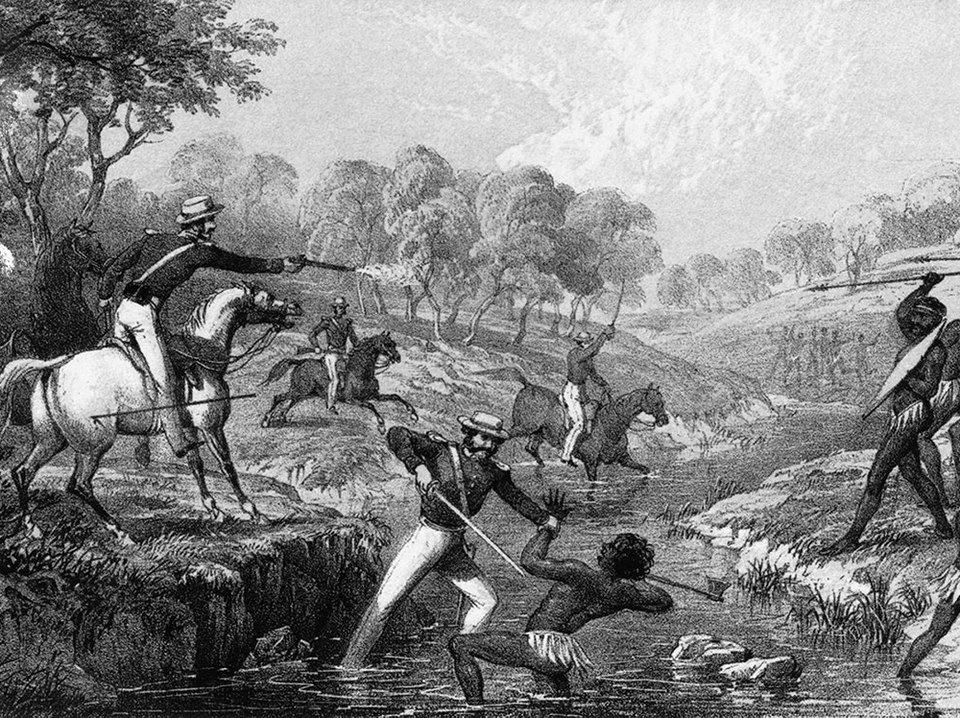 The impact of colonisation on Indigenous peoples has been similar in a number of countries, including Australia, Canada, America and New Zealand. In her book Trauma Trails: Recreating Songlines, Professor Judy Atkinson describes how the control of Indigenous peoples by the coloniser was facilitated by three main types of power abuse or violence—overt physical violence, covert structural violence, and psychosocial domination.
Overt physical violence: In Australia, the arrival of the British boats at Sydney Cove in 1788 set in motion a series of disasters that propagated trauma upon trauma upon trauma. These disasters impacted upon Aboriginal and Torres Straits Islander people who had lived on the continent for somewhere between 50 – 70,000 years.
Intergenerational Trauma
March 30, 2021 by
 Intergenerational trauma—sometimes called transgenerational or historical trauma—amongst Indigenous peoples is the trauma that has arisen as a result of the historical experiences of colonisation (and associated violence and control), forcible removal of children, and loss of culture.
As it was not addressed at the time, this trauma (and associated grief) have been passed down unwittingly through the generations by peoples’ behaviours and thought patterns.
Today, this trauma is exacerbated by economic and social disadvantage, racism and paternalism, and ongoing grief resulting from multiple bereavements.
12 Principles of Indigenous Healing
March 30, 2021 by
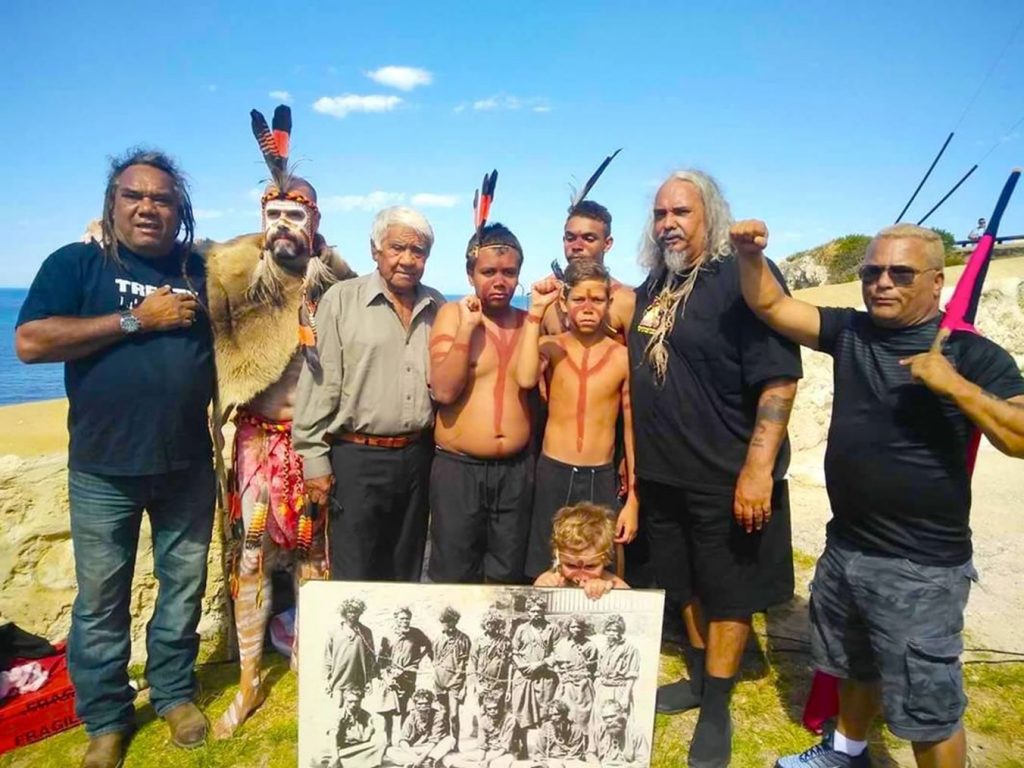 When I first developed the educational healing resource Sharing Culture, I did a great deal of reading about the healing of trauma and historical trauma. I summarised what I considered to be 12 principles of healing, which are relevant to Aboriginal people here in Australia and other Indigenous peoples around the world. I have decided to make an article on these principles the first in our educational journey into Indigenous trauma and healing.
1. The Human Rights of Indigenous Peoples must be recognised and respected
Recognition of, and respect for, the Human Rights of Indigenous peoples is fundamental to improving their health and wellbeing. Society must ensure that Indigenous peoples have full and effective participation in decisions that directly or indirectly affect their lives.
The Value of Deep Listening: The Aboriginal Gift to the Nation—Judy Atkinson
March 30, 2021 by
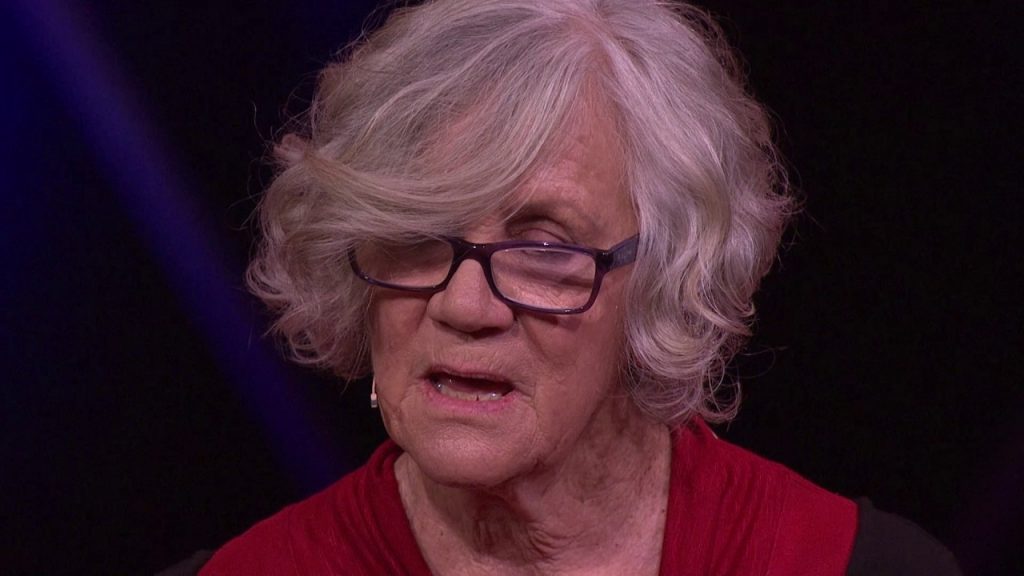 I was inspired into the field of trauma healing by a remarkable Aboriginal woman, Judy Atkinson.
Emeritus Professor Judy Atkinson is a Jiman (central west Queensland) and Bundjalung (northern New South Wales) woman, with Anglo-Celtic and German heritage. She lives in Goolmangar, New South Wales. Judy is Patron/Elder Advisor for We Al-li Programs, a remarkable healing initiative. She was made a Member of the Order of Australia (AM) in 2019 for her services to the Indigenous community, to education and to mental health.
Indigenous Trauma and Healing
March 30, 2021 by
 “We are like the tree standing in the middle of a bushfire sweeping through the timber. The leaves are scorched and the tough bark is scarred and burnt, but inside the tree, the sap is still flowing and under the ground, the roots are still strong. Like the tree, we have endured the flames and yet we still have the power to be reborn.” Miriam Rose Ungunmerr-Baumann, Senior Australian of the Year, 2021
This section of the website focuses on the healing of trauma and historical trauma, in particular in relation to Indigenous peoples. I will write a series of articles, which will appear in the order they are written (oldest first), in an attempt to take the reader on a journey into this fascinating field.
Recovery Stories Website: Aims
March 30, 2021 by
 It’s good to be back writing for my ‘Recovery Stories’ blog after such a long time away. I plan to post on the blog at least every weekday, as there is plenty that I want to cover. I’ve already loaded up over 40 blog posts ready to save me some time in the future. My old blog posts are still available.
You will see the website contains other sections: Stories, Articles, Film, Resources, Healing, Book and About. I’ll be adding to each of these sections, and hope over time to also build two educational sections focused on recovery and on the healing of intergenerational trauma.
One of my aims with Recovery Stories is to help create positive social change through activating and ‘arming’ people at a grassroots level. I am convinced that real positive social change comes from the ground up through people cultivating the grassroots—it doesn’t come from politicians.
Recovery Stories Blog
March 29, 2021 by
 As some of you know, I first launched Recovery Stories in May 2013, with the aim of helping individuals and families recover from addiction and mental health problems. A core element of the website was a series of 15 Recovery Stories related by people who had been affected by a serious substance use problem, either directly or indirectly.
In addition to these Stories, I uploaded over 700 posts on my blog, as well as a wealth of other content over the following two years. Although the website was still available for viewing after that time, I stopped posting on my blog whilst I worked on other projects, including the educational initiative Sharing Culture which focused on the healing of intergenerational trauma. Addiction and mental health problems are two consequences of trauma.
‘Our Recovery Stories’ Update
March 23, 2021 by
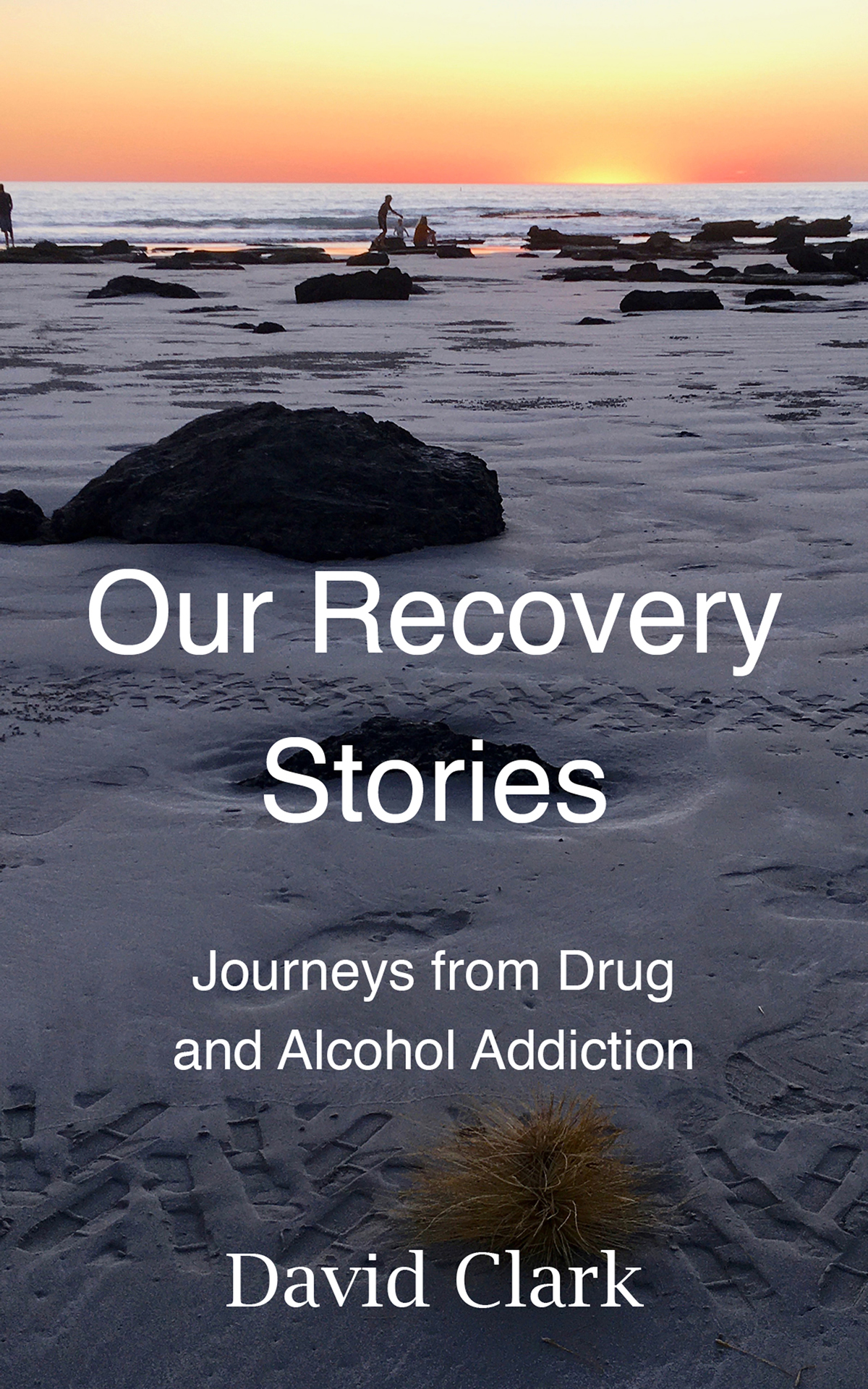 I just wanted to let you know that the eBook Our Recovery Stories: Journeys from Drug and Alcohol Addiction will be available from 9th April 2021. It will be available via Apple, Amazon or Kobo (price: £4.99, A$8.99, US$6.99, €5.99). I will provide links and any other relevant information shortly.
I have chosen this date for release, as it is my youngest son Sam’s birthday and is a day before Michael Scott’s, of Michael’s Story, 43rd Sober Anniversary. And I then learn that the 9th April is the 60th birthday of Kevan Martin, of Kevan’s Story. Couldn’t have chosen a better date.
Please note that the book will have to be read on a phone, tablet or a computer. I hope to publish a hard copy version at a later date. Here is what I have said in the publicity material:
Drugs in Society
March 8, 2021 by
On the one hand, we tell our young people not to take psychoactive drugs and to keep away from people who are selling drugs. On the other hand, doctors and others are constantly encouraging us to take psychoactive drugs produced by the pharmaceutical industry—some of which are addictive—for a variety of conditions. (1,109 words)
Drug Choices… and the Loss of Choice
March 8, 2021 by
Various factors contribute to the initiation and early use of drugs and alcohol. As time passes, other factors also influence whether substance use continues. The vast majority of people who use drugs or alcohol do so without any problems. However, long-term drug or alcohol use can lead to addiction in a significant minority. (944 words)
Alcohol Dependence
March 8, 2021 by
Looks at the cluster of seven elements that make up the template for which the degree of alcohol dependence is judged. (900 words)
Website Developments
March 8, 2021 by
 I just wanted to warn you that Ash Whitney and I are overhauling the website at the moment ready for my return to regular blogging. I’m also wanting to get this overhaul complete for when I launch my new book, Our Recovery Stories: Journeys from Drug and Alcohol Addiction later this month.
As some of you may know, I launched Recovery Stories in May 2013. I posted over 700 blogs, as well as a wealth of other content, over the following two years. Although the website was still available for viewing after that time, I stopped blogging whilst I worked on various other projects, mainly around the healing of intergenerational trauma. Addiction and mental health problems are two consequences of trauma.
Sir Ken Robinson | Creating a New Normal
March 6, 2021 by
In his final public speech, Sir Ken Robinson (RIP) joined The Call to Unite to invite us all to imagine a new normal, and to understand how we can create a world that values the diversity of each individual’s unique gifts and talents. The Call To Unite. [15’50”]
“We Shall Remain”
March 6, 2021 by
WE SHALL REMAIN was created to address the effects of historical trauma in our tribal communities. Many times, these untended wounds are at the core of much of the self-inflicted pain experienced in Native America. Much like fire, this pain can either be devastatingly destructive or wisely harnessed to become fuel that helps us to rise up and move forward in life with joy, purpose and dignity. The StyleHorse Collective. [6’16”]
