 I continue describing my experiences at the local treatment agency West Glamorgan Council on Alcohol and Drug Abuse (WGCADA) and what I learnt about how treatment facilitates recovery from addiction. You can read the earlier parts here and here.
‘Dave Watkins was a Community Support Worker for WGCADA. He was originally an engineer, but changed career after a member of his family suffered a substance use problem. In simple terms, Dave helped clients with every aspect of their lives that could interfere with their progress on their recovery journey. This included helping put a roof over their heads, getting their social security benefits, dealing with legal problems… and sometimes involved painting walls or cleaning up vomit! Dave immersed himself in his clients’ lives. He worked with some of the most chaotic substance users you would ever meet.


 In more recent years, my work has in large part been focused around the healing of trauma. I set up the educational initiative

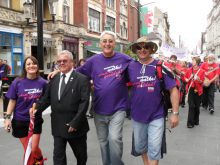 As I write this, my good friend Adam Brookes, he of

 Kevan Martin is sixty today. Coincidentally, the day that I launch my eBook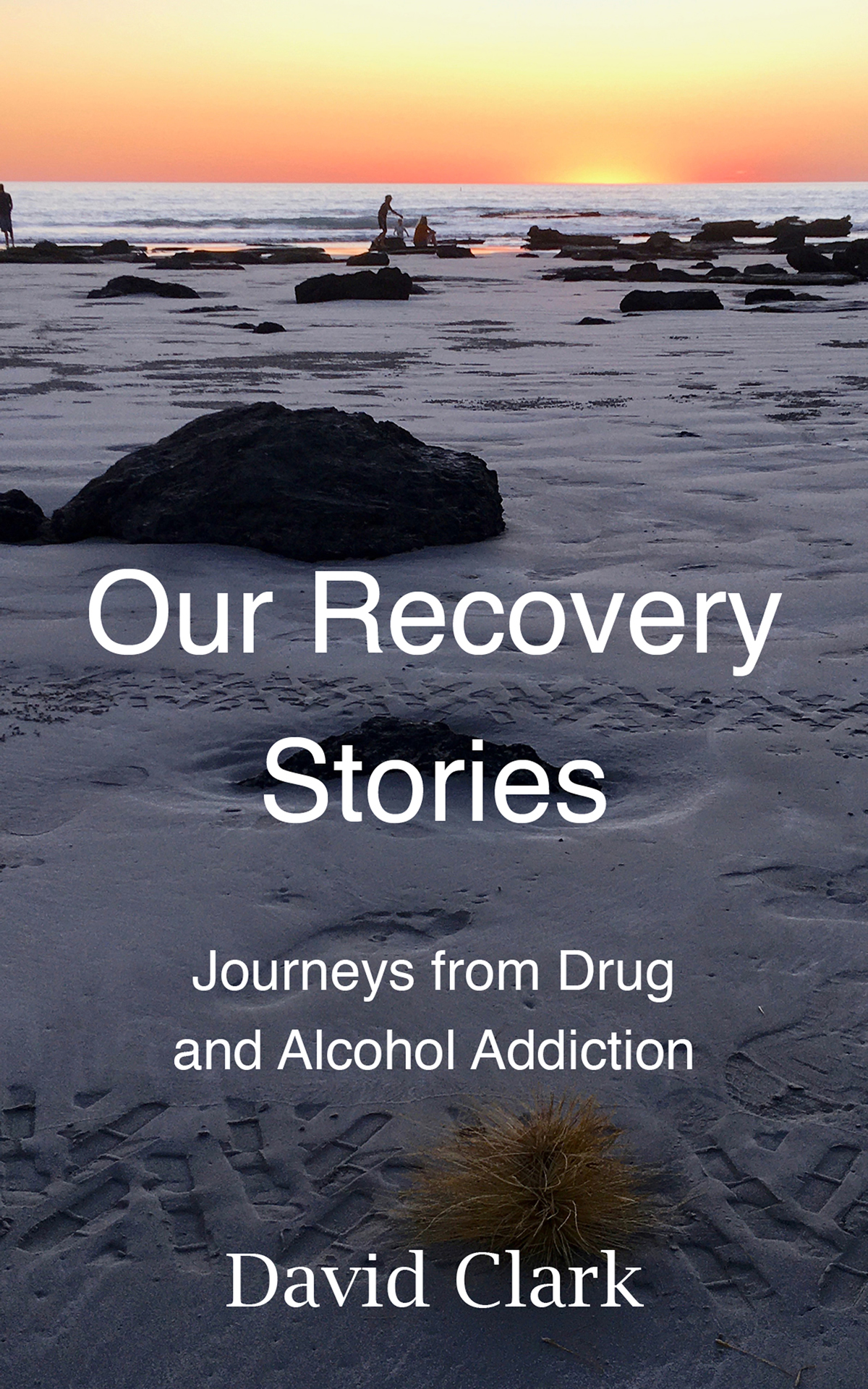
 As some of you know, I was inspired to start working in the healing of intergenerational trauma field after reading Judy Atkinson’s book

 In my last blog post, I criticised the approach of the National Institute of Drug Abuse (NIDA) in the USA in treating addiction as a medical disorder. Of course, it is not just addiction that is thought to be due to brain dysfunction by many neuroscientists, psychiatrists and other medical practitioners. Mental health problems are considered to reflect neurotransmitter dysfunction by many people in these professions. And Big Pharma (the drug industry) encourages this view.